
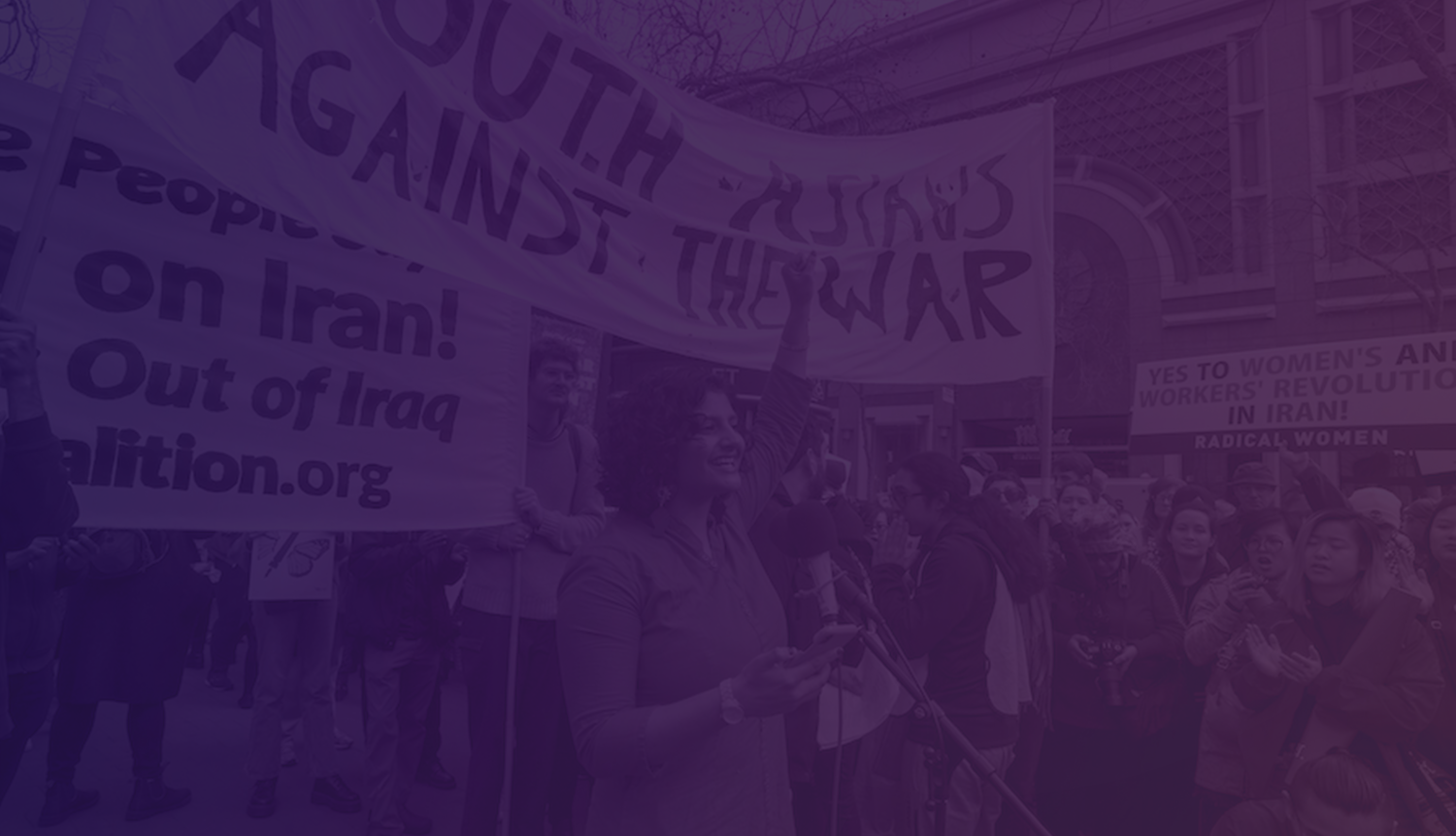
25 Years Later
Stories of Survival and Solidarity
Community Hub
About this hub: The 25 Years Later Community Hub brings together publicly available resources developed by organizations and advocates responding to the effects of 9/11 and the domestic and global War on Terror. It is intended as an archive, a repository and learning resource, and does not represent positions of organizations included here. Members of the South Asian Coalition and allies curated the hub over the course of a year.
It’s hard to believe that twenty-five years have passed since 9/11, a day that irreparably changed the lives of families who lost loved ones and frontline responders. We mourn the lives lost to the horrific attacks on September 11, 2001 — the 2,753 people killed at the World Trade Center in New York City, the 184 people killed at the Pentagon in Arlington, Virginia, and the 40 passengers and crew members on board Flight 93 that crashed in Shanksville, Pennsylvania. South Asians too were among the many victims, including Mohammad Salman Hamdani, a 23-year-old EMT and NYPD cadet who was a frontline responder on 9/11, and Swarna Chalasani, a volunteer for Sakhi for South Asian Survivors.
In the aftermath of the 9/11 attacks, civic, governmental and faith leaders called for national unity. At the same time, reports of harassment, profiling, and discrimination began to emerge from community members of Muslim, Arab, South Asian, and Sikh backgrounds. While our communities have historically confronted interpersonal and state oppression, the post-9/11 climate exacerbated these dynamics and tensions through coordinated law enforcement efforts, surveillance mechanisms, and cruel policies implemented in the name of public safety and national security.
As the nation marks the 25th anniversary of the September 11th attacks and the launch of the War on Terror, the South Asian Coalition and ally groups are sharing stories of survival and solidarity, uplifting experiences of community members facing backlash, profiling, and surveillance, identifying policy issues, and providing ways to take action.
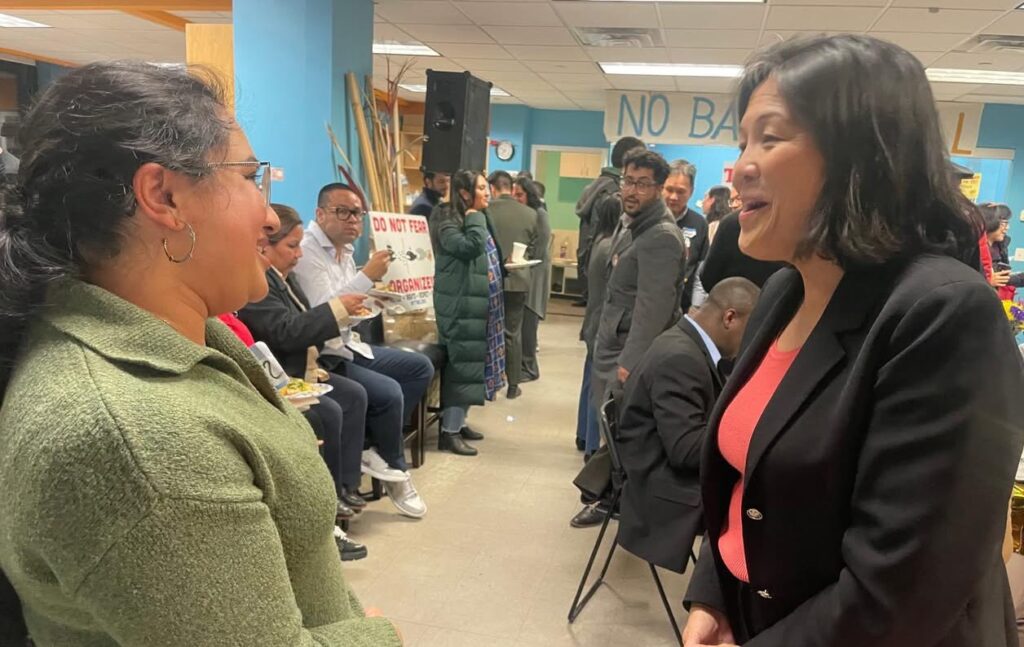
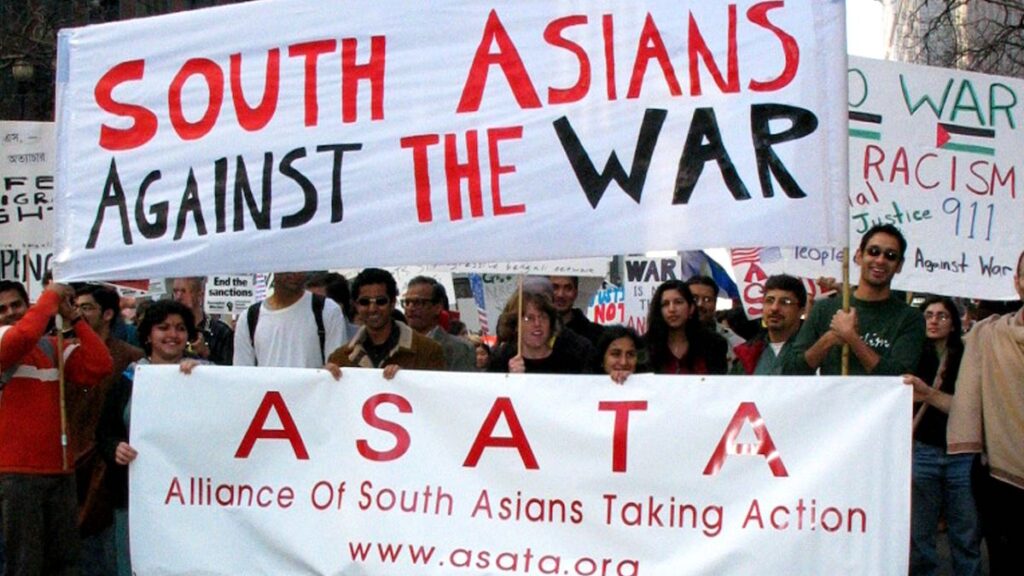
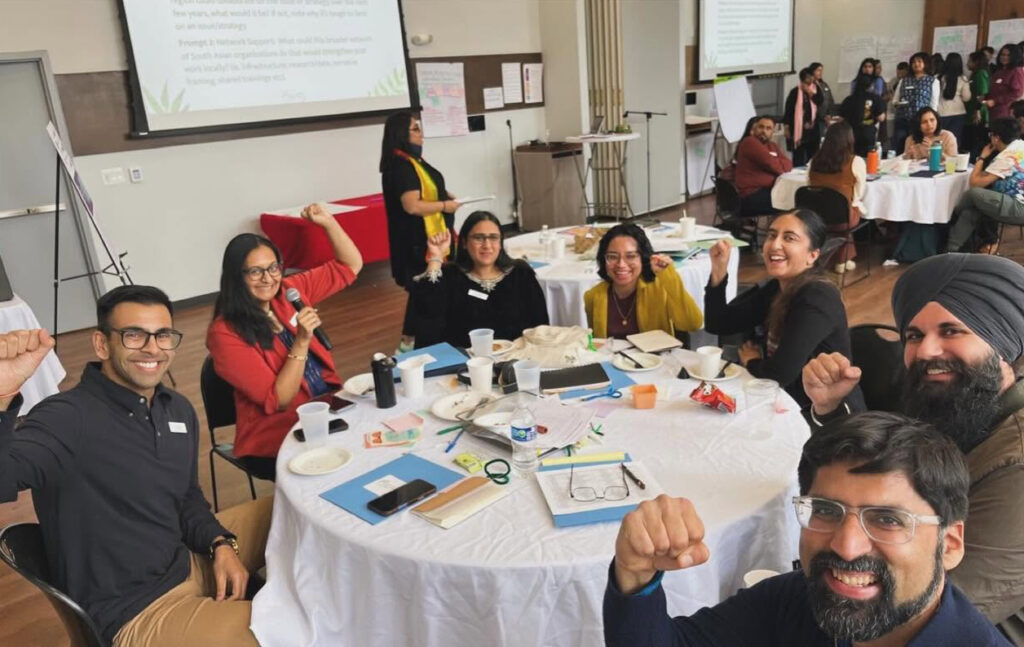
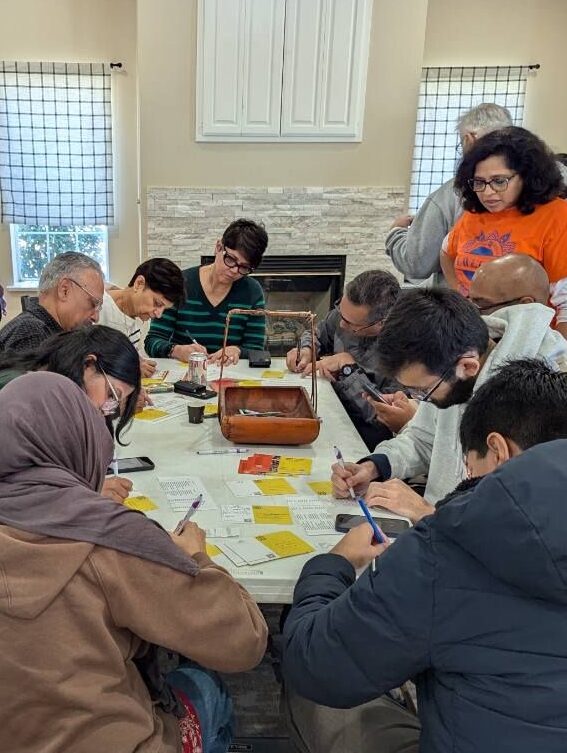
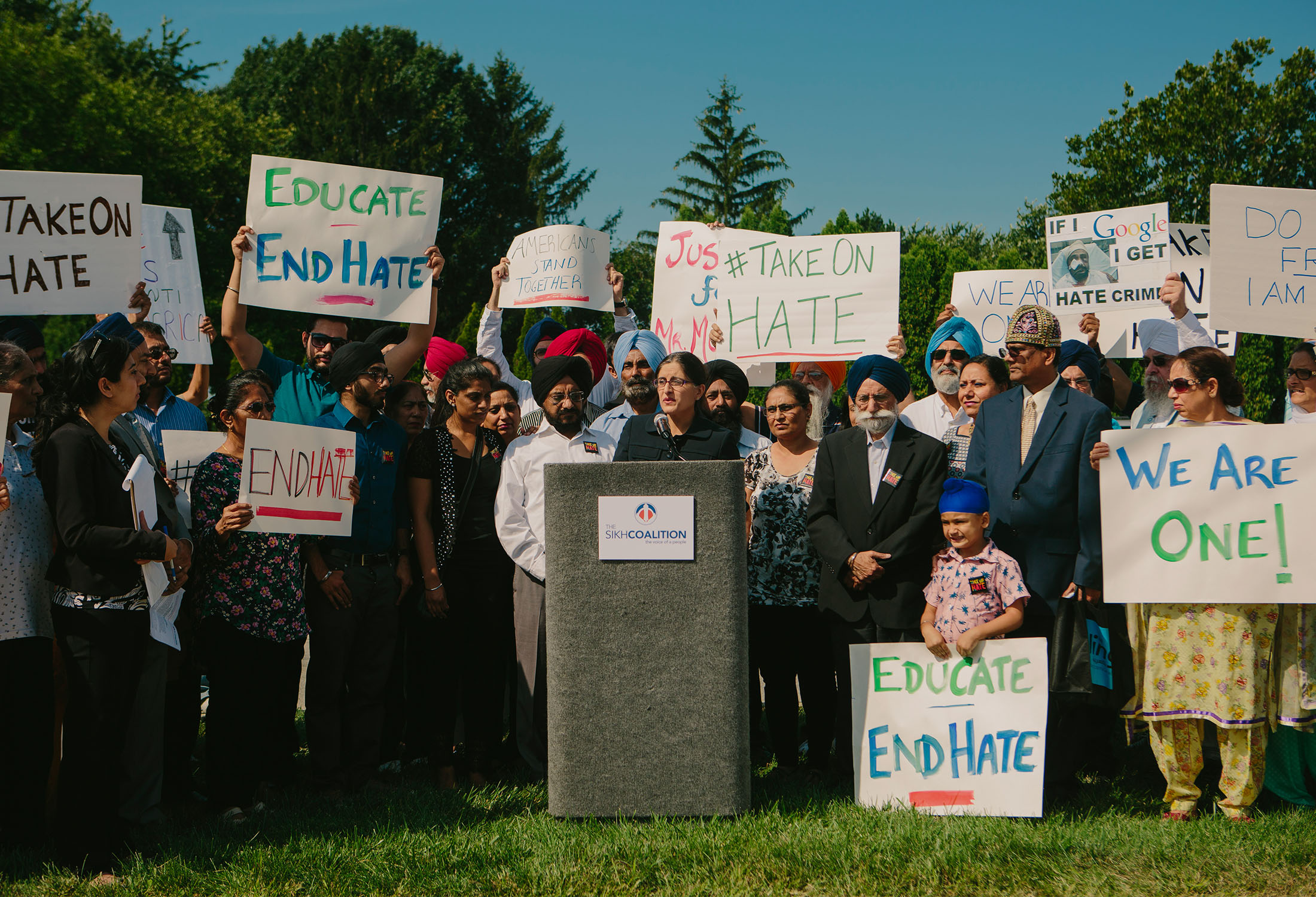
In the first three months after the 9/11 attacks, we community members endured the consequences of Islamophobia, backlash, and scapegoating. On September 15, 2001, Balbir Singh Sodhi, a Sikh American gas station owner, was killed in Arizona, followed by the murders of Waqar Hasan and Vasudev Patel in Texas. In October 2001, the United States Congress passed the Patriot Act, and in 2002, it established the Department of Homeland Security. Meanwhile, the government launched the global War on Terror with the invasion of Afghanistan.
The long arc of the post 9/11 environment continues to this day. Learn more about the post 9/11 climate at the Resources page, which contains reports, teaching tools, multimedia testimonials, and more.
At the same time, our organizations have also been part of mutual aid, justice, and solidarity efforts in our communities. In the wake of 9/11, Japanese Americans raised the alarm to warn the country not to repeat its policies of forced displacement and incarceration during World War II. People visited local mosques and gurdwaras to build relationships. Elected leaders pledged to combat Islamophobia, and teachers included first-hand accounts of backlash in their curricula. Collectives of concerned community members created new organizations while philanthropic institutions established funds to address emerging needs.
Our organizations are committed to continuing the arc of solidarity and justice that began in the wake of 9/11. We call upon civic, faith, and elected leaders to join us to grieve, remember, and reckon with the long arc of 9/11 and the War on Terror.
Visit our subpages to learn more about policy solutions, first-hand accounts, ways to engage your own organizations and communities, as well as resources, events, and opportunities to deepen your understanding.
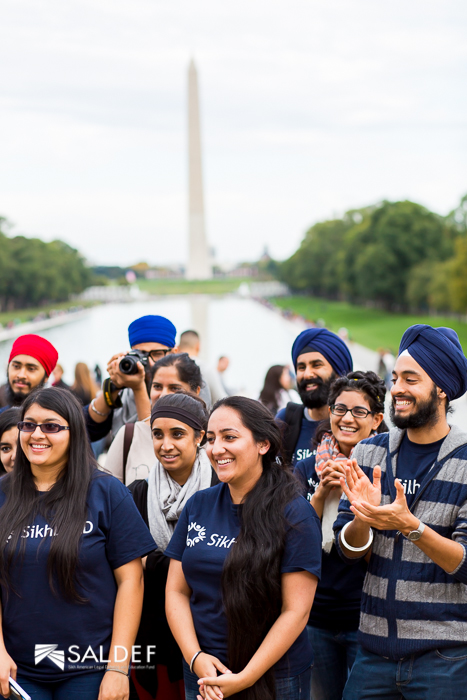
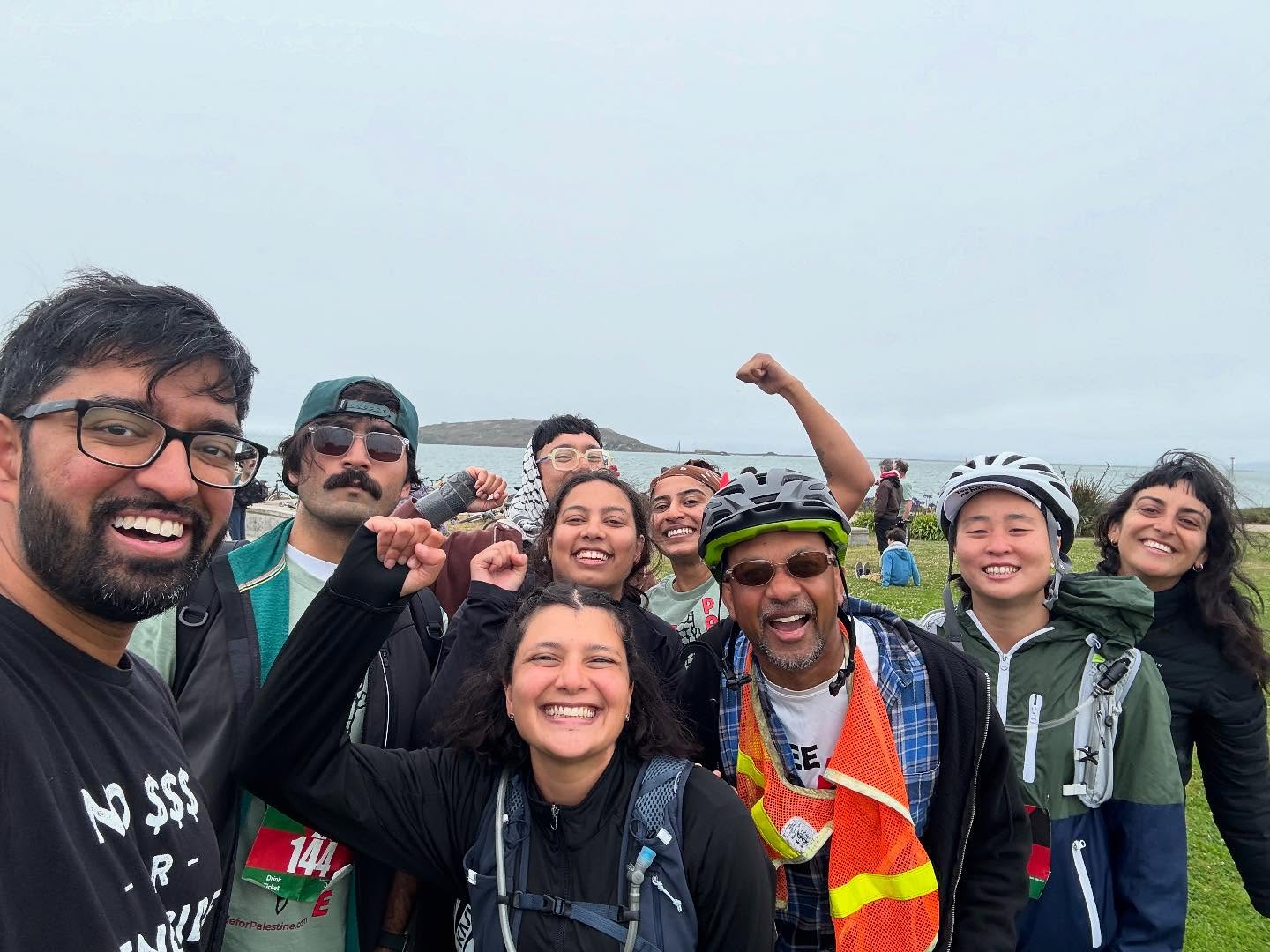
Solidarity
Reflections from community leaders and organizations about why solidarity has been a vital throughline over the past 25 years.
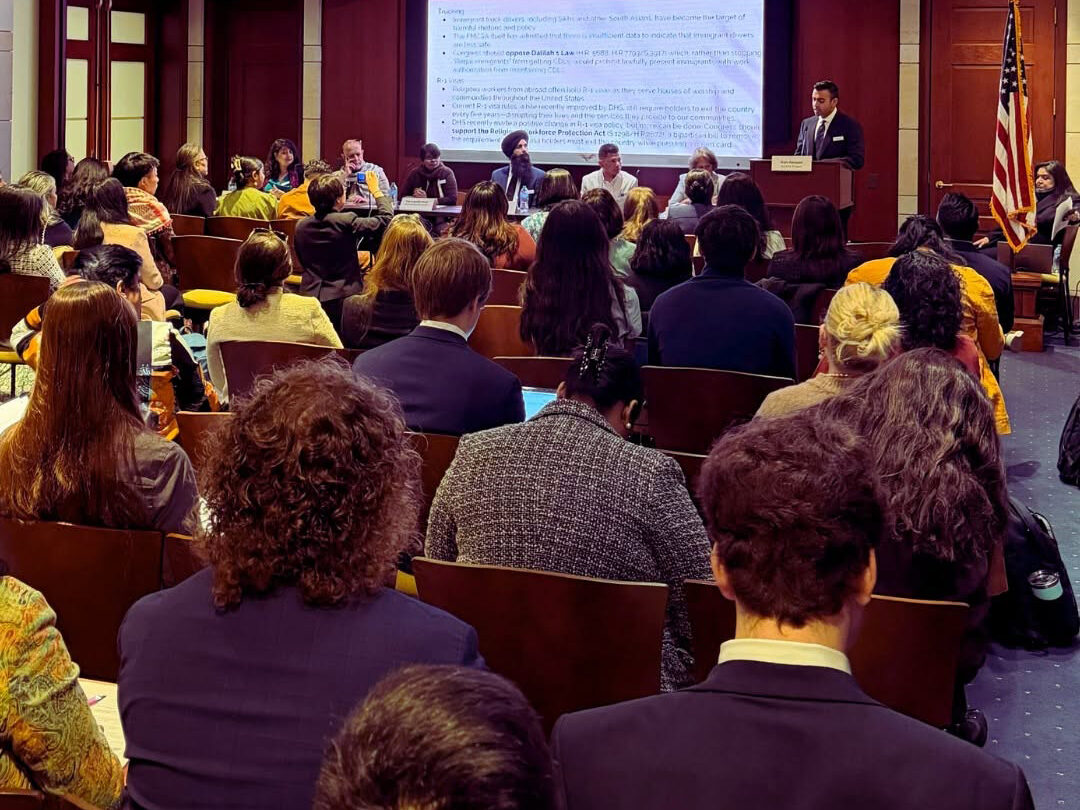
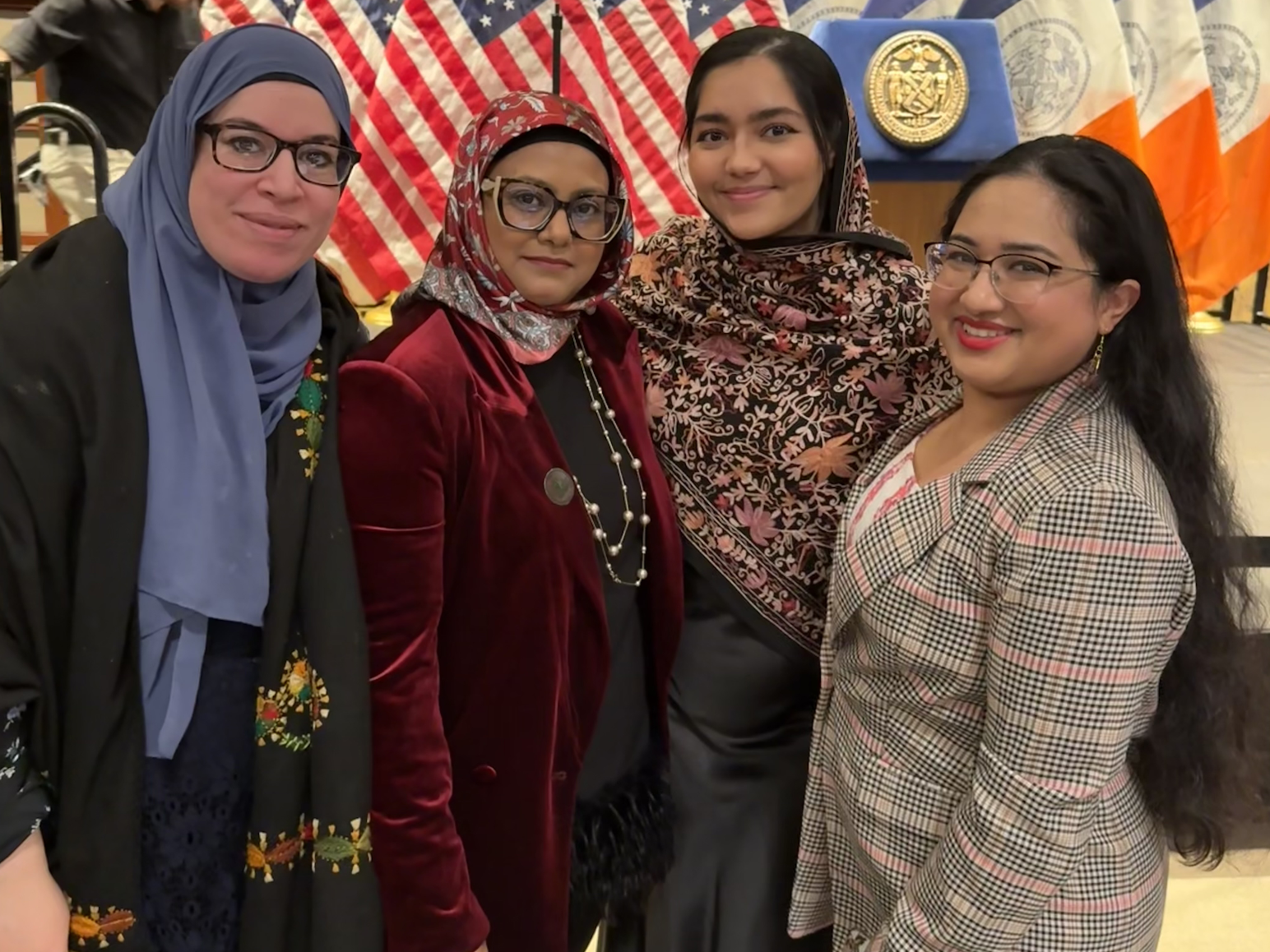
Events
Check out an active list of anniversary events from across the country, including UCLA-Law’s Symposium “25 Years after 9/11: Reimagining Freedom, Justice, and Security, Muslim Counterpublics Lab’s conference “When Will This War End: Lessons and Legacies of the War on Terror.”
If you are organizing an event, please email us at [email protected] with information.
Voices from the Field
Listen to accounts of how the events of September 11 and the post-9/11 landscape impacted groups and leaders from the South Asian Coalition over the last 25 years.
How to Get Involved
There are many ways for you to engage and reckon with the 25th anniversary of 9/11 and the Global War on Terror. Check out our suggestions for how you can activate your community!
Resources + Learning Library
Connect with Us
If you have questions or would like to share an event, resource, or other offering for the 25 Years Later Hub, please email [email protected].