Community Report Back:
The South Asian Coalition Gathers in March 2026
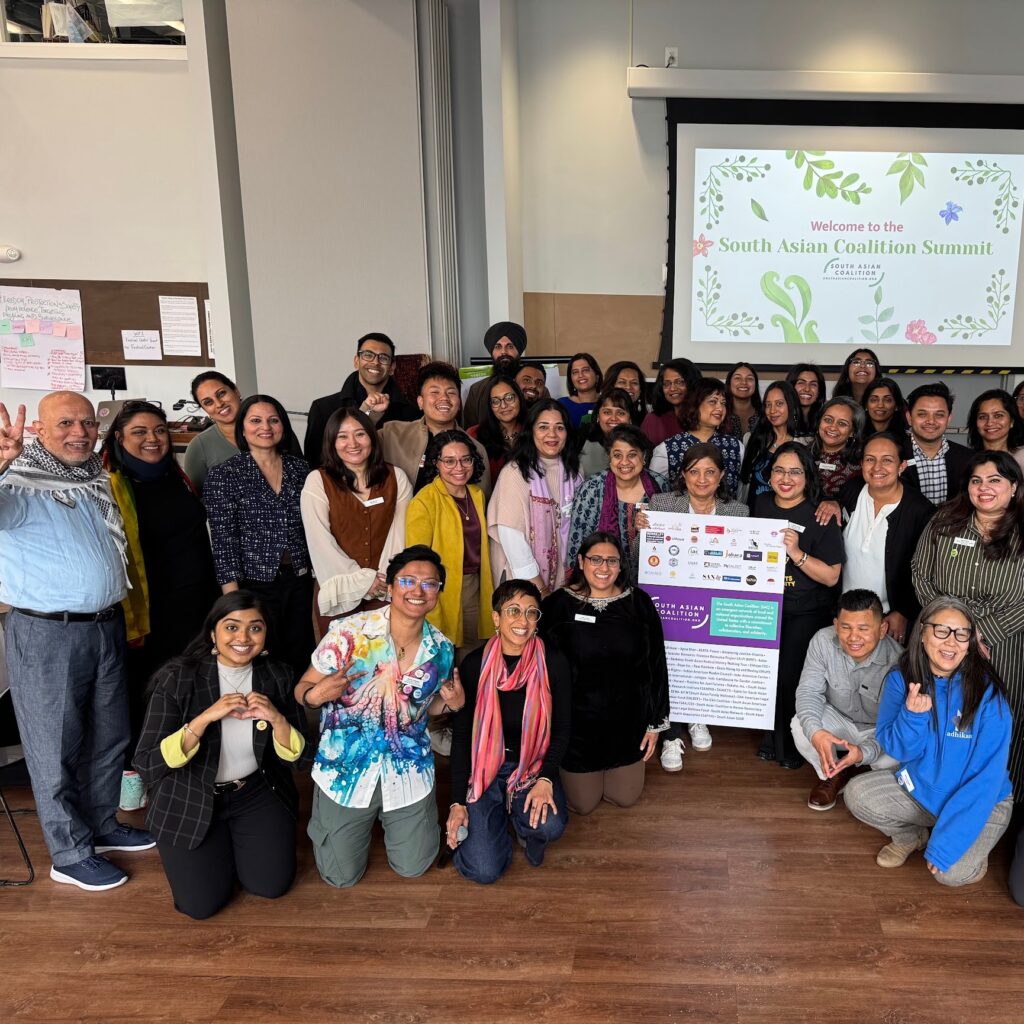
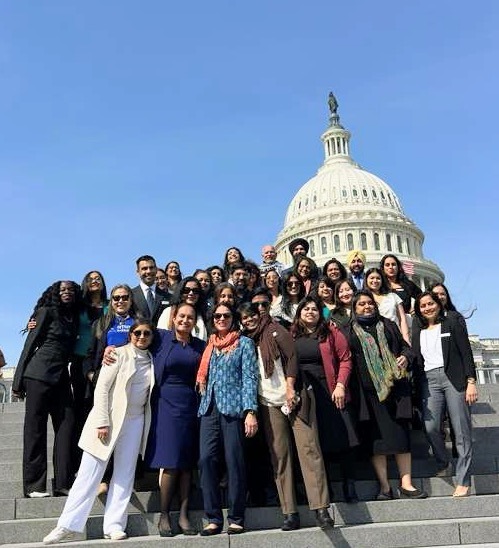
In March 2026, more than 50 leaders representing over 35 South Asian organizations from across the United States gathered in Washington, DC for the South Asian Coalition’s National Summit. At a time marked by heightened immigration enforcement, rising authoritarianism, and deepening inequities, the Summit brought together advocates, organizers, policy experts, narrative strategists, and community leaders working across issues such as immigration, gender justice, labor rights, caste-based oppression, civil rights, public health, LGBTQ justice, and community safety.
The themes of the Summit shaped our time together. We honored our histories and legacies, strengthened our relationships, aligned our strategies, and envisioned our community’s futures. See below for pictures, reflections, and highlights.
“Being together is an act of resistance and resilience.”
“We are stronger when we move together.”
Grounding Ourselves in the Past, Present, and Future
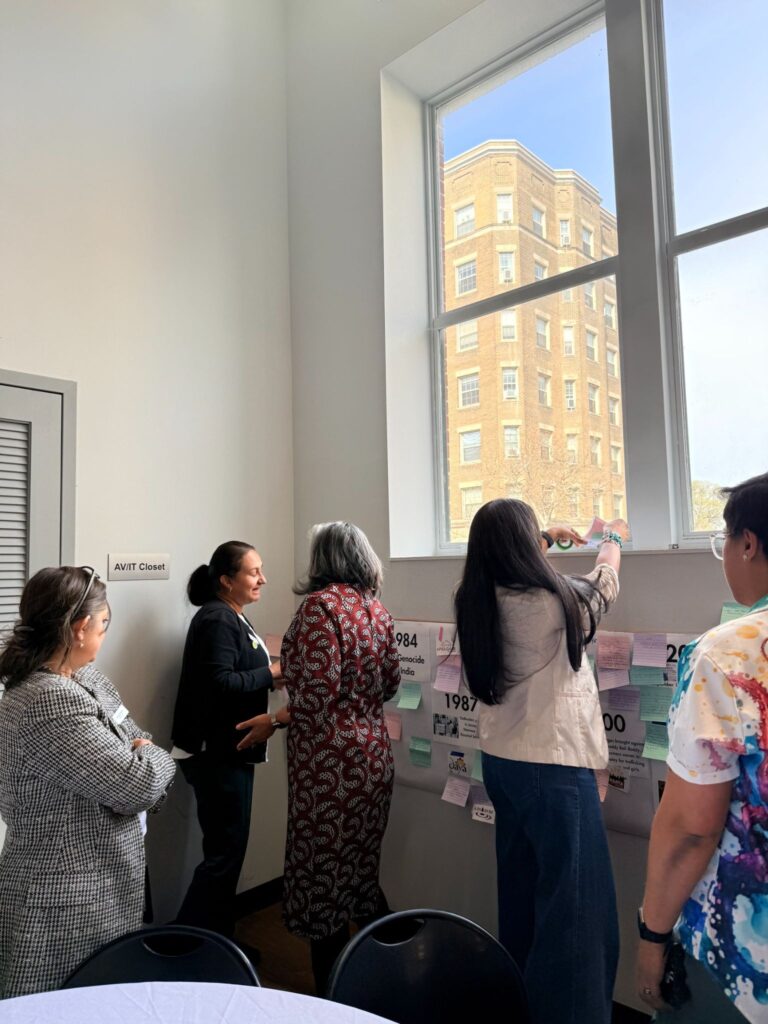
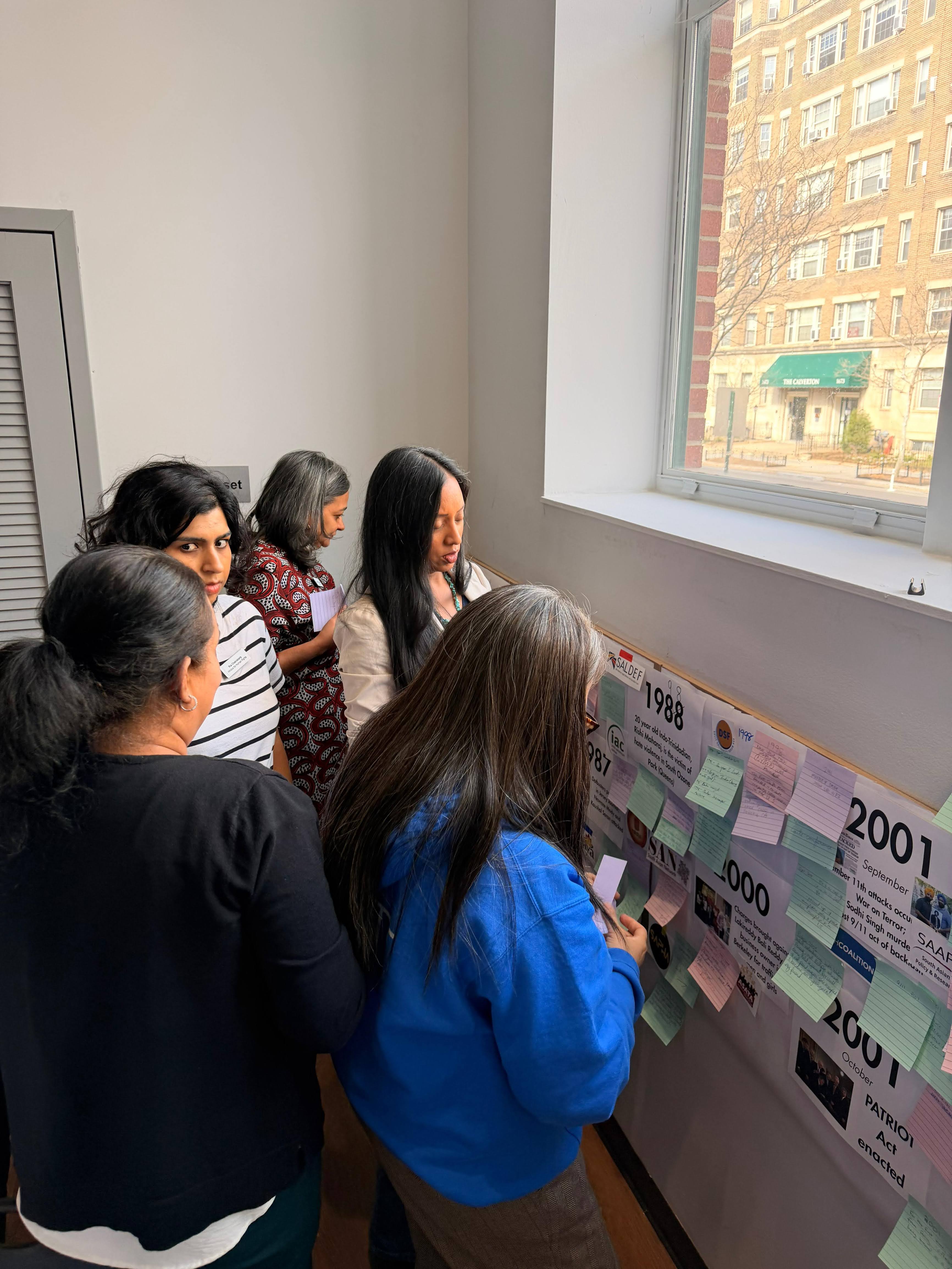
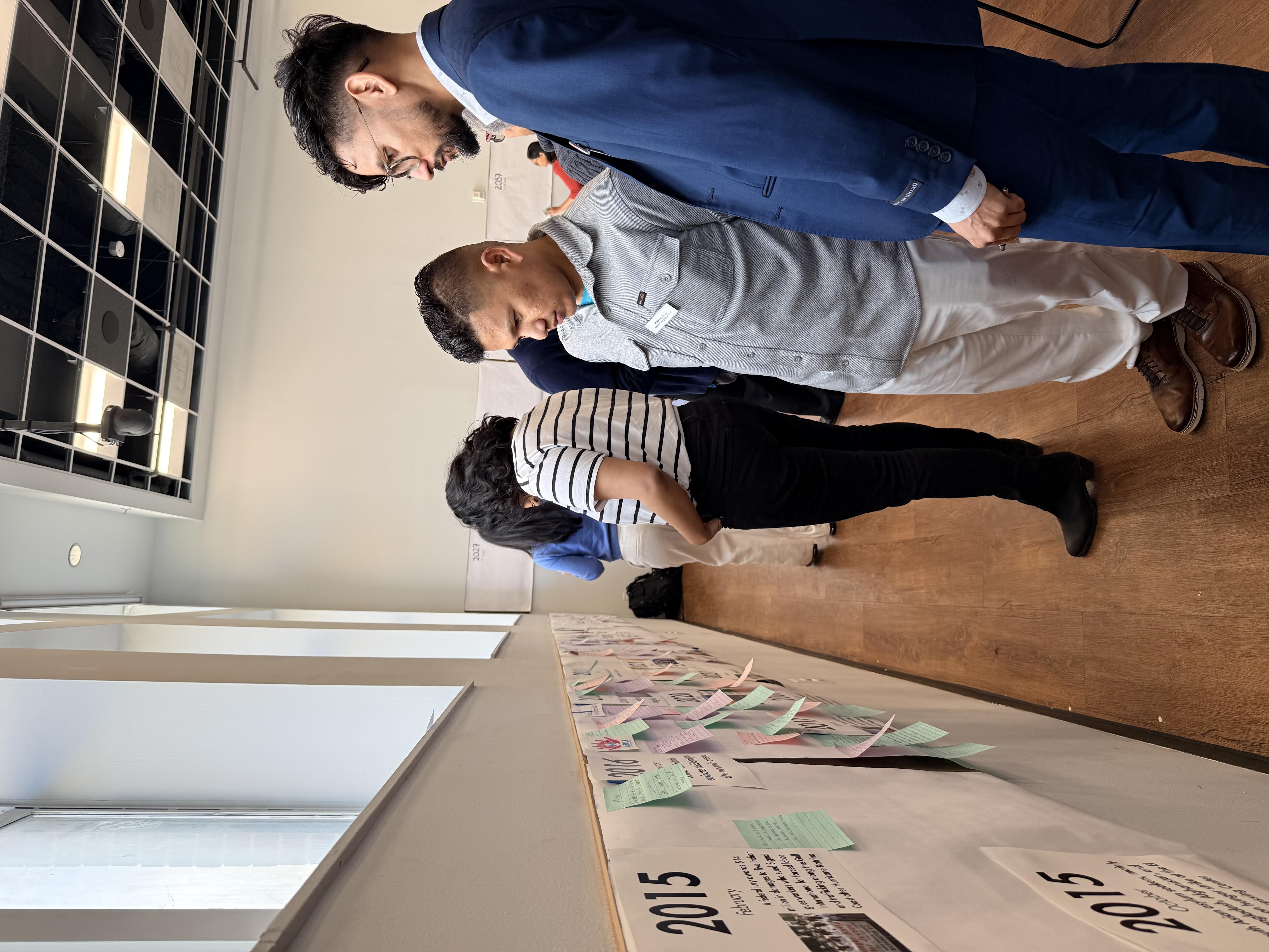
The Summit opened by grounding participants in shared values and exploring the histories and legacies of key events that define South Asian American activism, from the Ghadar Party to post-9/11 organizing to the evolving role of South Asian communities within broader movements for racial and social justice. Participants reflected on their individual and organizational points of entry in a timeline of South Asian American movement history and on holding both continuity and change —what has been built, what has been lost, and what must be carried forward.
“The present cannot exist without the past—and the future can only be built from the present.”
Building Skills and Capacity
Throughout the Summit, participants engaged in sessions focused on strengthening the field’s internal and strategic capacity. These included discussions on addressing burnout and sustaining long-term work, building narrative power and shaping public discourse, understanding and responding to Hindu supremacy and transnational politics, and reimagining fundraising through donor organizing.
One powerful session included an intergenerational dialogue between those under and over 35. Older participants shared their experiences of being pioneers or the “first” in organizing South Asian spaces, often under pressure and in times of crisis. Younger participants shared how post-9/11 organizing cannot be the sole story about South Asian communities, and how internal dynamics within organizations can become difficult to navigate.
“Intergenerational conversations and knowledge sharing are critical in amplifying our collective power.”
“Each generation is responding to a different crisis, but the thread is the same.”
“Fighting against something will burn you out really fast; fighting for something will sustain you.”
Peer-to-Peer Learning
Participants explored the breadth of issues affecting South Asian communities and how these issues intersect. A key takeaway is how overlapping systems of harm are affecting community members across issue areas, from mental health and immigration to housing and language access. Conversations also highlighted the diversity of challenges across regions, particularly in the South and Midwest, where organizations often operate with fewer resources and greater isolation. Participants identified gaps in infrastructure, data, and funding, as well as opportunities for deeper collaboration across issue areas. At the same time, there was a shared recognition that South Asian communities are not monolithic, and that effective strategies must reflect differences in religion, language, caste, class, immigration status, and geography.
“We are isolated, but not powerless.”
“California’s a big state, and it was incredibly helpful to have folks from four groups co-brainstorming.”
“We are working across systems that were never designed to work together—but impact our communities all at once.”
Raising Our Voices on Capitol Hill
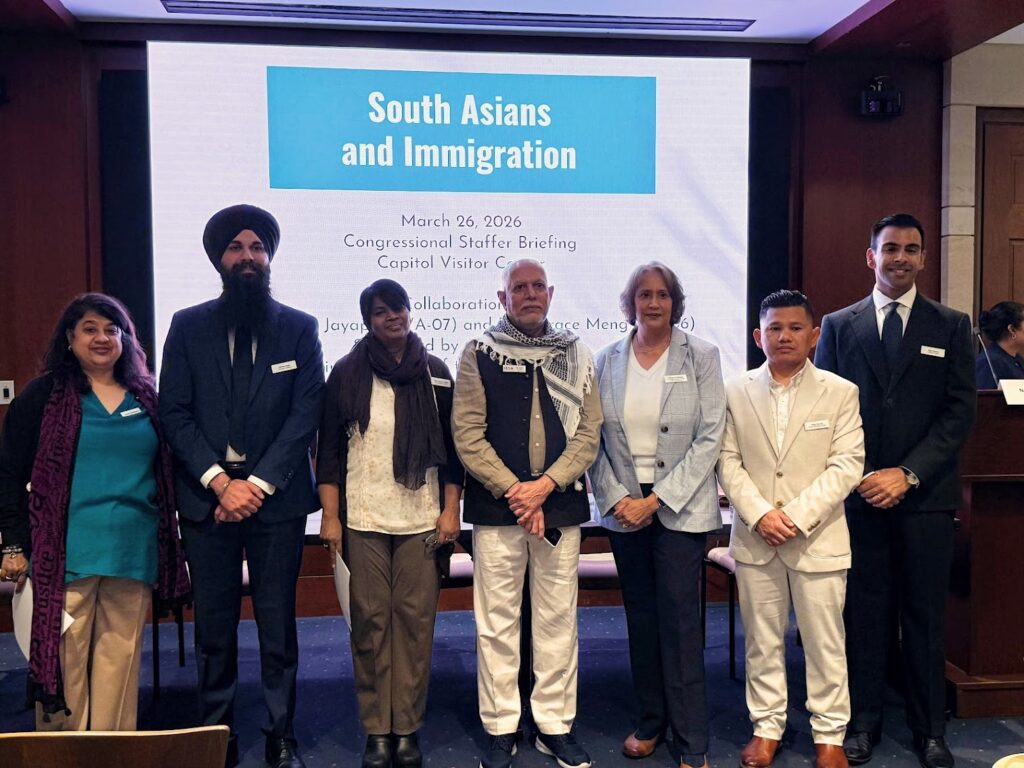
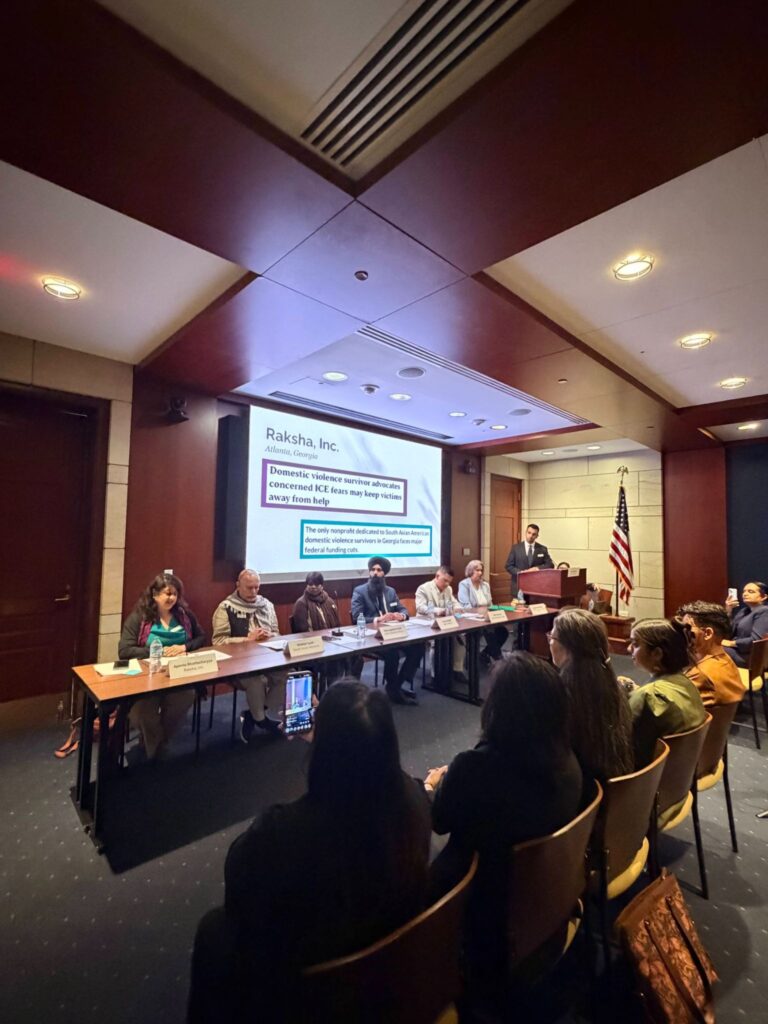
Members of the South Asian Coalition also participated in a congressional briefing about immigration policy, organized by ASATA Power and in partnership with Representatives Pramila Jayapal and Grace Meng. The briefing revealed the deep inequities and needs that are unfolding in the current political climate.
Speakers shared stories of deportations without due process, prolonged visa backlogs that separate families for years or decades, labor exploitation tied to visa systems, and the ways in which immigration policy intersects with gender-based violence, caste discrimination, and religious profiling. Navneet Bhalla (Manavi) opened the briefing by reminding the audience of the collective power in the room, and Representatives Jayapal and Meng expressed their commitment to raising issues affecting South Asian communities in policy discussions and debates.
“The panelists represented an important and diverse set of stories and experiences, which broke down stereotypes, generalizations, or assumptions that anyone has about who South Asians are.”
- Navneet Bhalla, Executive Director of Manavi and a co-convener of the South Asian Coalition, opened the briefing by describing the national network of organizations that came together to address long-standing and emerging challenges facing South Asian communities. Watch Navneet’s remarks [Link].
- Rajiv Narayan, Co-Lead at ASATA-Power, a co-convenor of the South Asian Coalition and host of the briefing, noted that of the 6.5 million South Asians in the United States, as many as one in eight are undocumented and shared specific stories of individuals impacted by immigration enforcement, including deaths in detention, sudden deportations, and U.S. citizens subjected to due process violations. Watch Rajiv’s remarks [Link].
- Kalpana Peddibhotla, Executive Director of the South Asian American Justice Collaborative (SAAJCO), focused on birthright citizenship, a constitutional guarantee that is now under threat of dismantlement. She also spoke about how South Asian communities are being impacted by policy changes to the H-1B visa program and the ongoing discussion regarding H-1B visas that often targets South Asian communities. Watch Kalpana’s remarks on birthright citizenship and her remarks around the H-1B visa program.
- Robin Gurung, Executive Director of Asian Refugees United, shared a powerful account of the Bhutanese refugee community, including his own experience of displacement and resettlement, to highlight how recent enforcement practices are leading to deportations without due process. Watch Robin’s remarks [Link].
- Harman Singh, Executive Director of The Sikh Coalition, focused on the intersection of labor and immigration policy, particularly the impact of recent regulations on Sikh truck drivers and other immigrant religious workers. Watch Harman’s remarks [Link].
- Roja Suganthy-Singh, President of the Dalit Solidarity Forum, drew attention to caste-based discrimination and labor exploitation and shared the experiences of Dalit workers who were brought to the United States on religious visas to construct a BAPS temple in New Jersey, where they were subjected to low wages, confiscation of passports, and unsafe conditions that have led to long-term health consequences. Watch Roja’s remarks [Link].
- Shakeel Syed, Executive Director of the South Asian Network, addressed the long arc of Islamophobia, surveillance, and institutional targeting that has been reinforced since the 9/11 attacks and the global War on Terror. Watch Shakeel’s remarks [Link].
- Aparna Bhattacharyya, Executive Director, Raksha, Inc., highlighted how immigration policy intersects with gender-based violence and community safety, particularly for immigrant survivors, and shared how some survivors have been arrested after reporting abuse or while accessing vital services. Watch Aparna’s remarks [Link].
The briefing demonstrated the collective power of South Asian organizations to shape national policy conversations, bring lived experiences directly to policymakers, and advance coordinated policy demands. Read more about the briefing from Central Desi and India West.
Strengthening Relationships and Building Connections
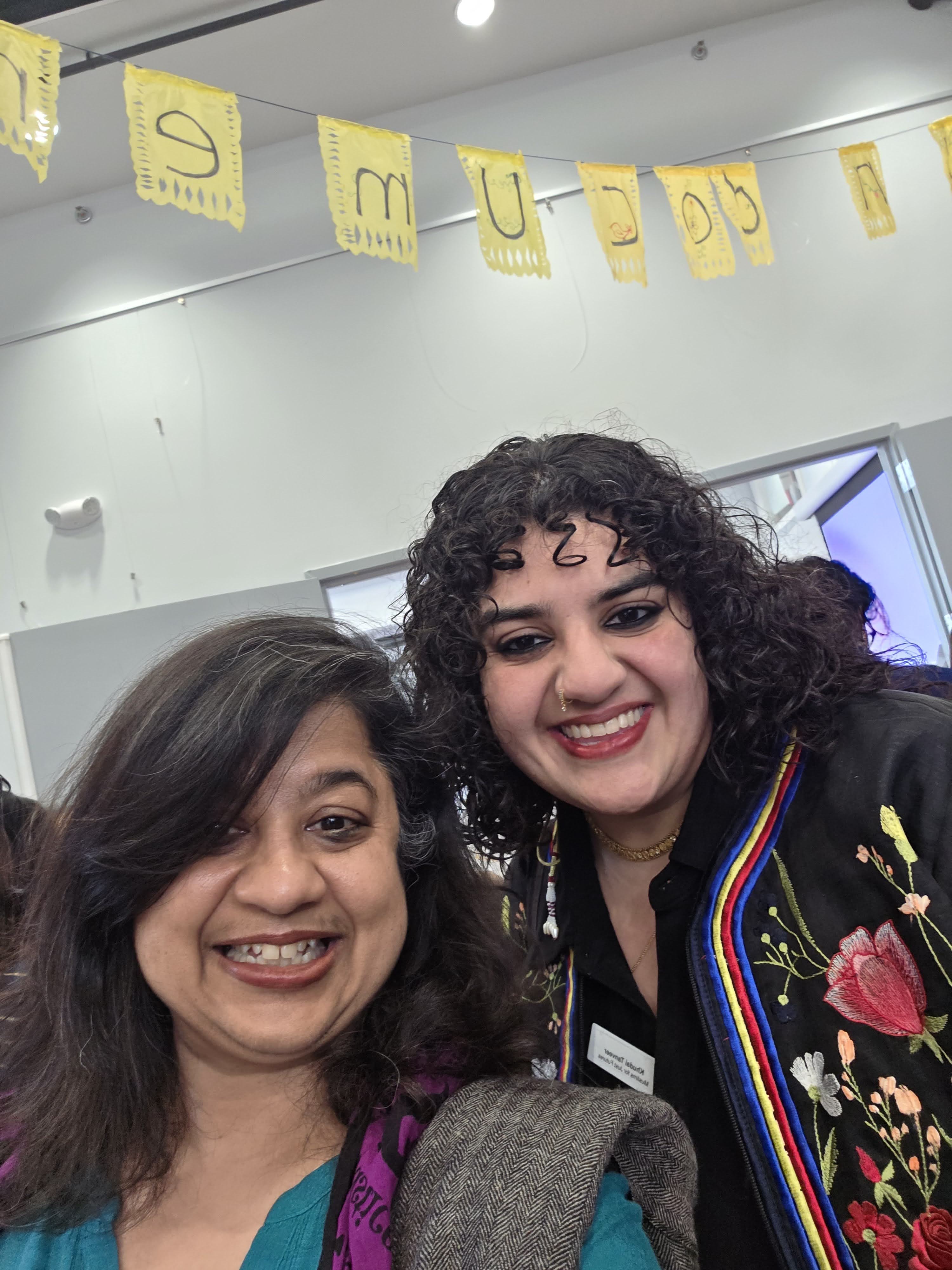
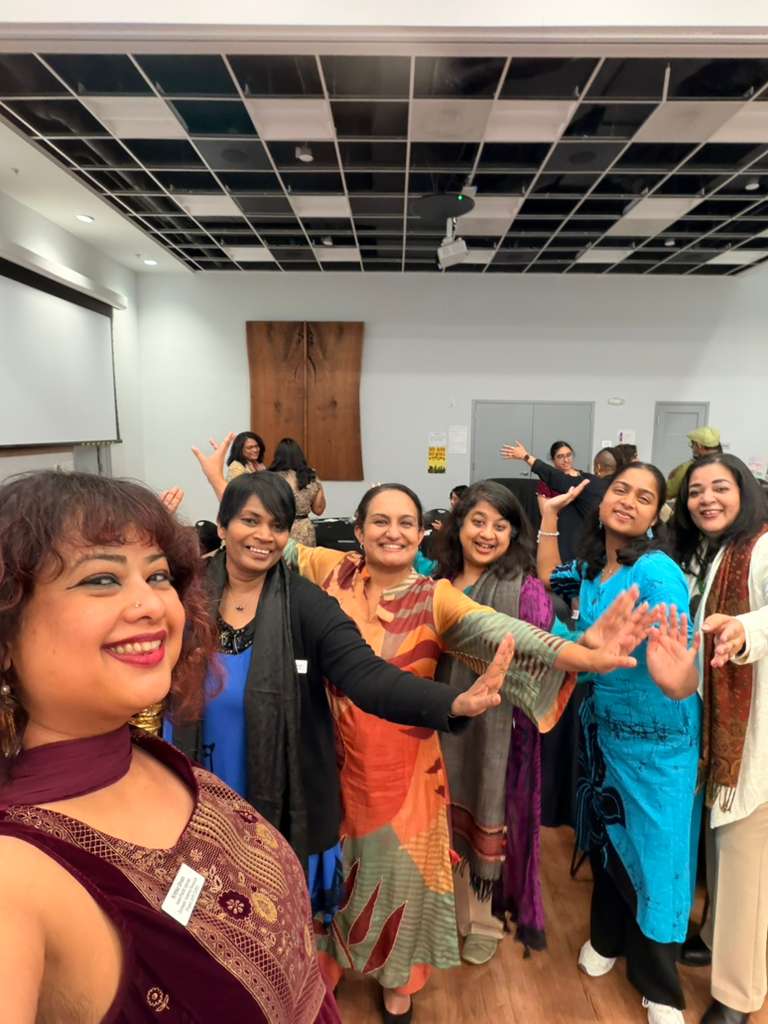
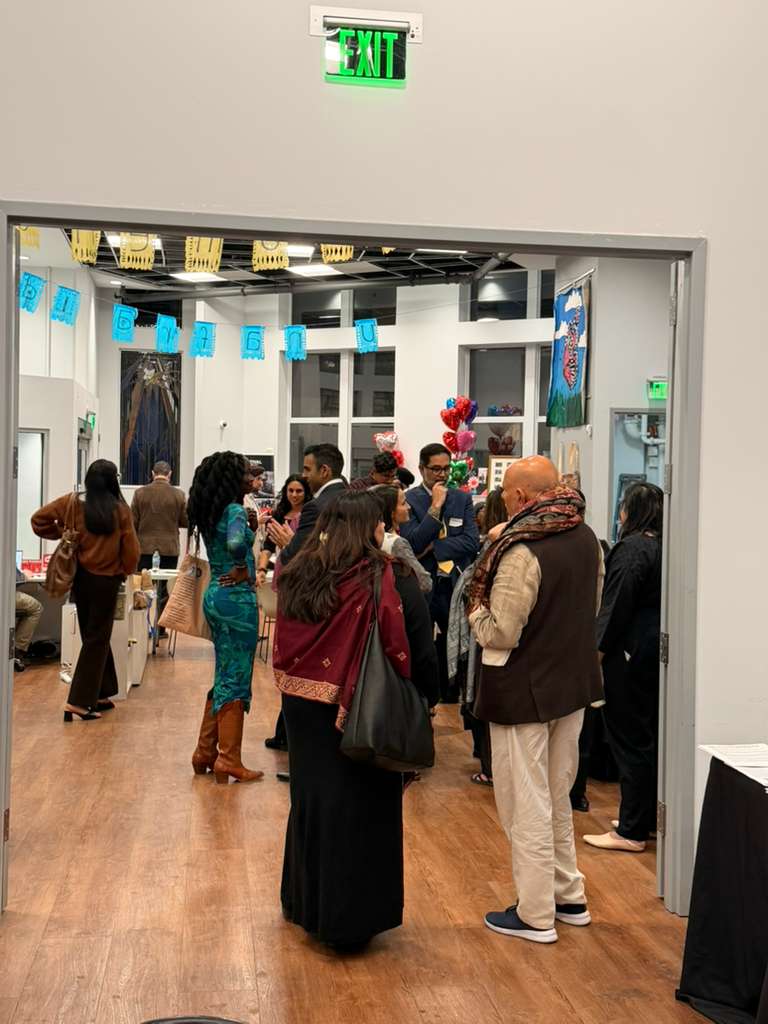
Beyond formal sessions, the Summit created space for connection, storytelling, and community. Participants gathered in smaller groups, shared reflections through storytelling sessions, and came together for a community reception that celebrated the breadth and depth of South Asian organizing across the country. Groups representing the South Asian Coalition evoked community futures that emphasized care and compassion, trust and love, solidarity and strength. These moments reinforced that movement-building is not only strategic but also relational.
Building Collective Futures
Throughout the Summit, participants engaged in building, seeding, and dreaming of our community futures – safe, caring, equitable, vibrant, collective, and powerful.
The Summit concluded with a forward-looking conversation focused on collective priorities and next steps. Underlying these priorities was a broader shift: from a network of organizations toward a more coordinated ecosystem capable of sustained collective action.
“There’s urgency—but there’s also a need to build something that lasts.”
“I have more clarity about how we’re moving forward and a deeper understanding of my own commitment to this coalition”